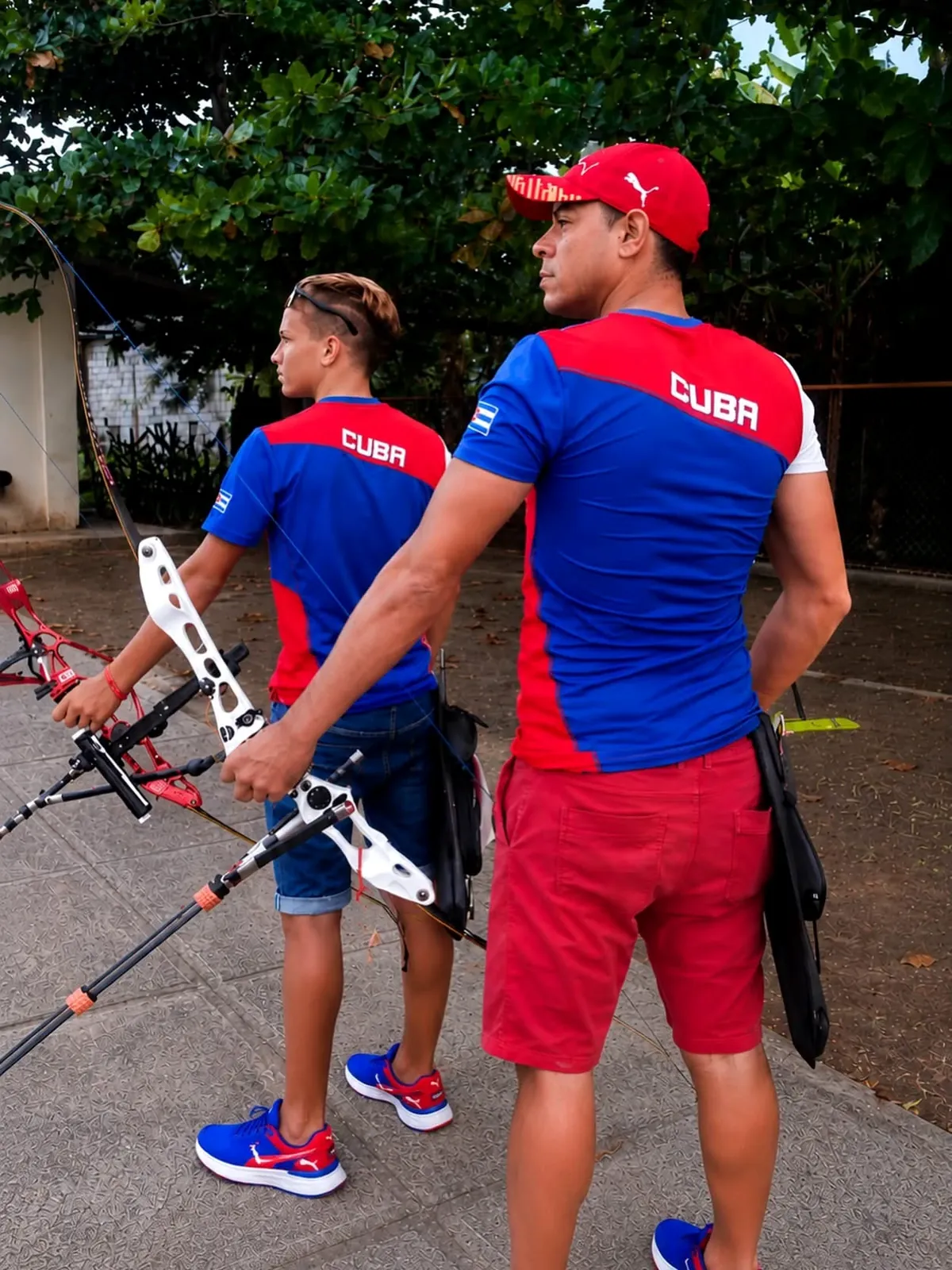
Archery turns focus, repetition and precision into a method.
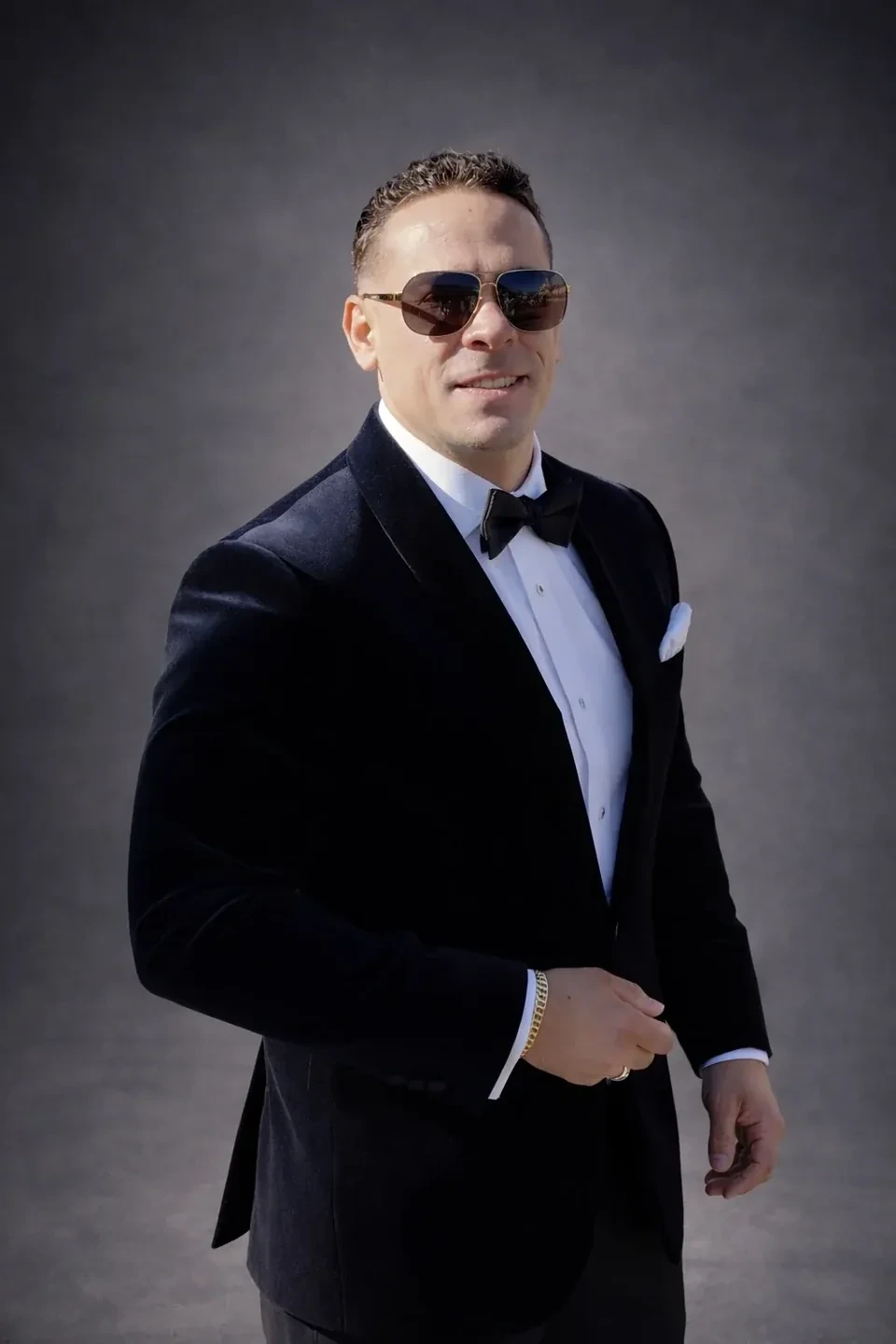
Official biography · Documentary edition 2026
Sandy Fernández FernándezSandy Show Miami
A life that refuses a single label: sports, science, radio, acting, live performance, independent media, migration, podcasting, books and music.
Known professionally as Sandy Show Miami, Sandy Fernández Fernández is a Cuban-born communicator, actor, audiovisual and music producer, author, researcher and sports professional whose career now continues from Miami.
Who is Sandy Show?
Before there was Sandy Show, there was Sandy Fernández Fernández.
His story begins well before the first microphone. It begins in Santiago de Cuba, in a family shaped by sport, with a boy fascinated by the way a voice could change the energy of a room—and by the discipline required to do anything well.
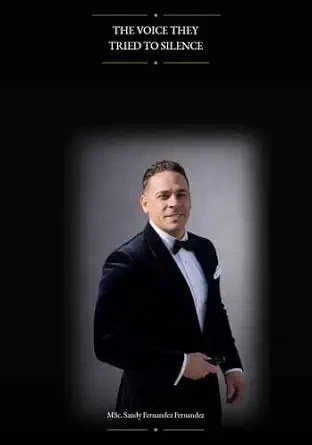
The 2026 documentary biography follows a career that moves through archery, scientific research, CMKC Radio Revolución, Pronto, theater, Tropicana, Locomoción, independent audiovisual production, the Caribbean, migration and a professional reinvention in Miami. The connecting thread is not a job title. It is a way of working: observe closely, train deliberately, correct, improvise when the plan fails, and begin again.
This page presents the essential arc of that story and connects it to the official photo archive, timeline and documentary sources.
Radio transforms a curiosity about communication into a disciplined craft.
Best Male Acting recognition at the Antonio Lloga festival.
The name comes from the public in Santiago before it ever becomes a brand.
A long career has to rebuild its visibility in a new country, one project at a time.
01
Santiago · Education and sport
The discipline came before the microphone.
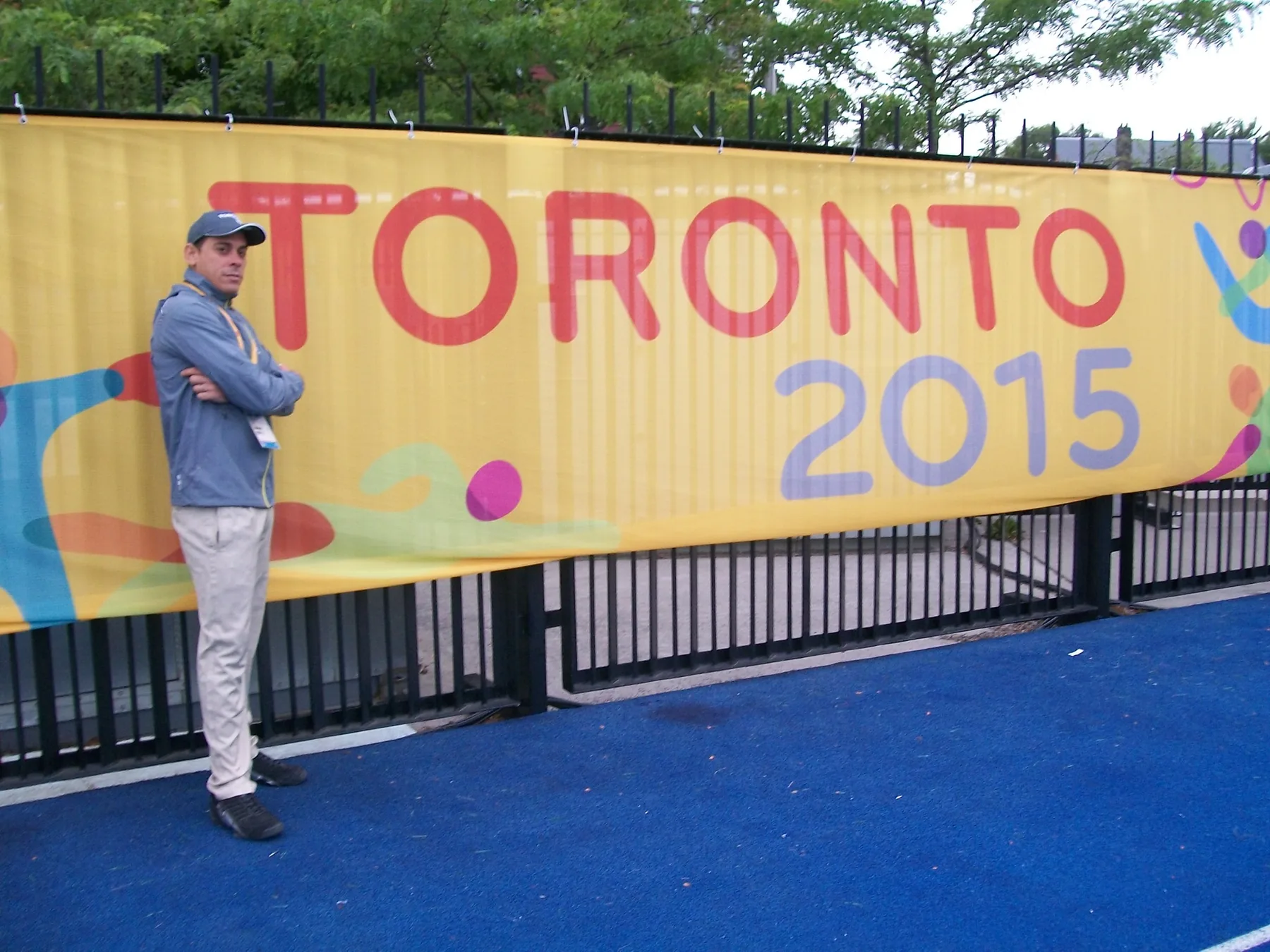
Sandy Fernández Fernández was born on July 22, 1983, in Santiago de Cuba. Sport was his first serious language. He began with baseball and, at fourteen, found archery—a discipline that taught him to treat concentration, technique and repetition as a way of life.
In the 2002–2003 academic year he entered the Manuel Fajardo Institute of Physical Culture in Santiago de Cuba. There, athletic practice met morphology, physiology, swimming and research methodology. He graduated in Physical Culture, Sport and Recreation and later earned a master’s degree in Community Physical Culture.
At the same time, another instinct kept growing. As a teenager he had watched entertainers work the crowds around the Heredia complex, paying attention to timing, tone and reaction. Years later, an almost accidental invitation would take him into CMKC Radio Revolución.
Explore the sports career ↗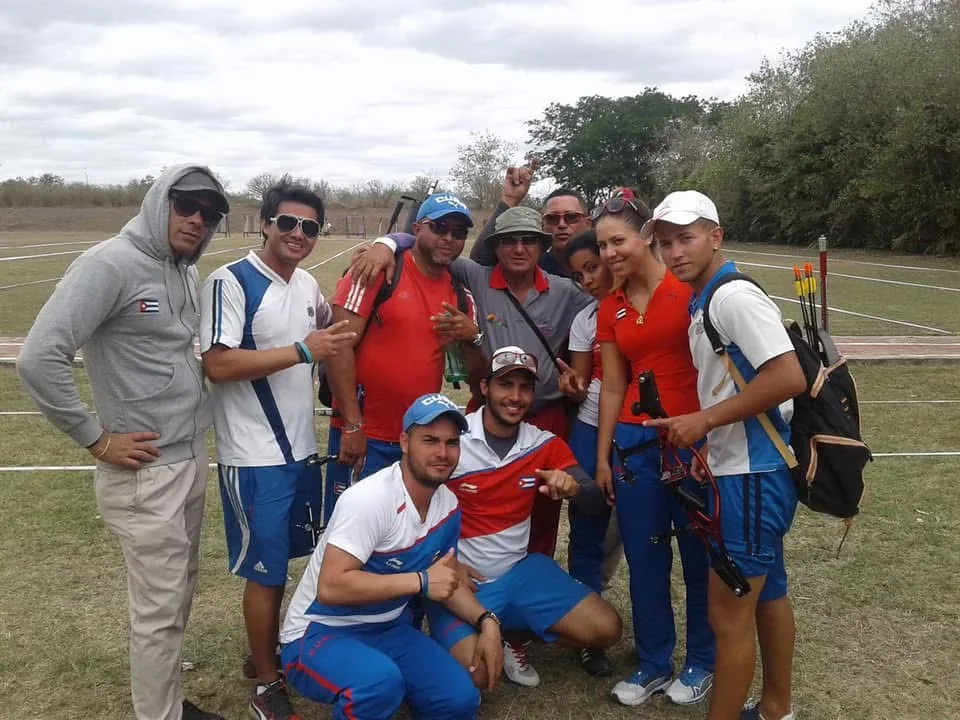
02
CMKC · Radio, acting and live performance
From the radio studio to the big stage.
CMKC · Pronto
Training a voice no one could see.
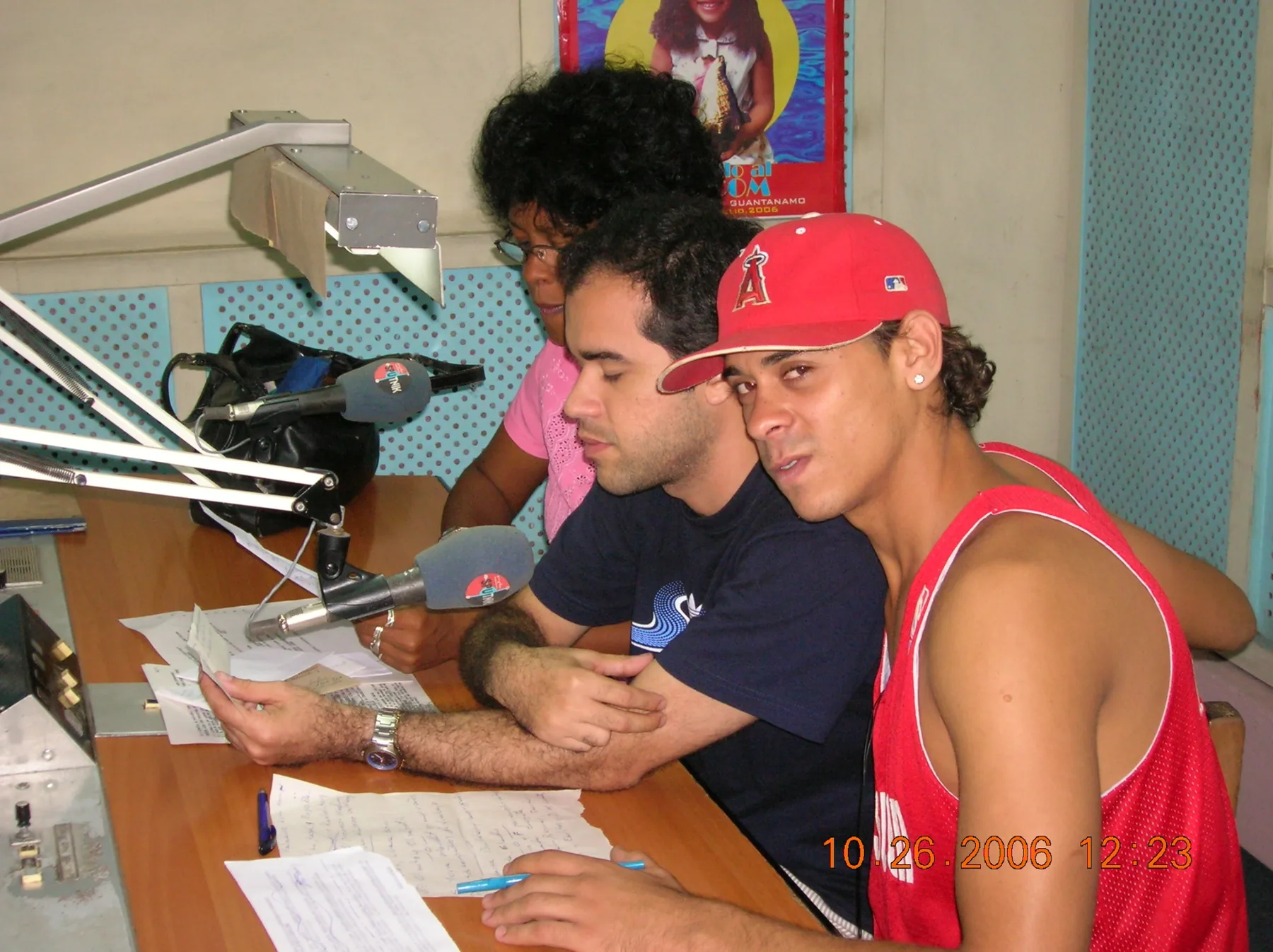
Radio did not give him an easy entrance. Sandy took discarded news bulletins home, recorded full newscasts on a basic computer setup and repeated difficult passages until the voice held under pressure. Pronto became a live laboratory: music, calls, messages, artists, an audience in the studio, and a pace that rewarded preparation without killing spontaneity.
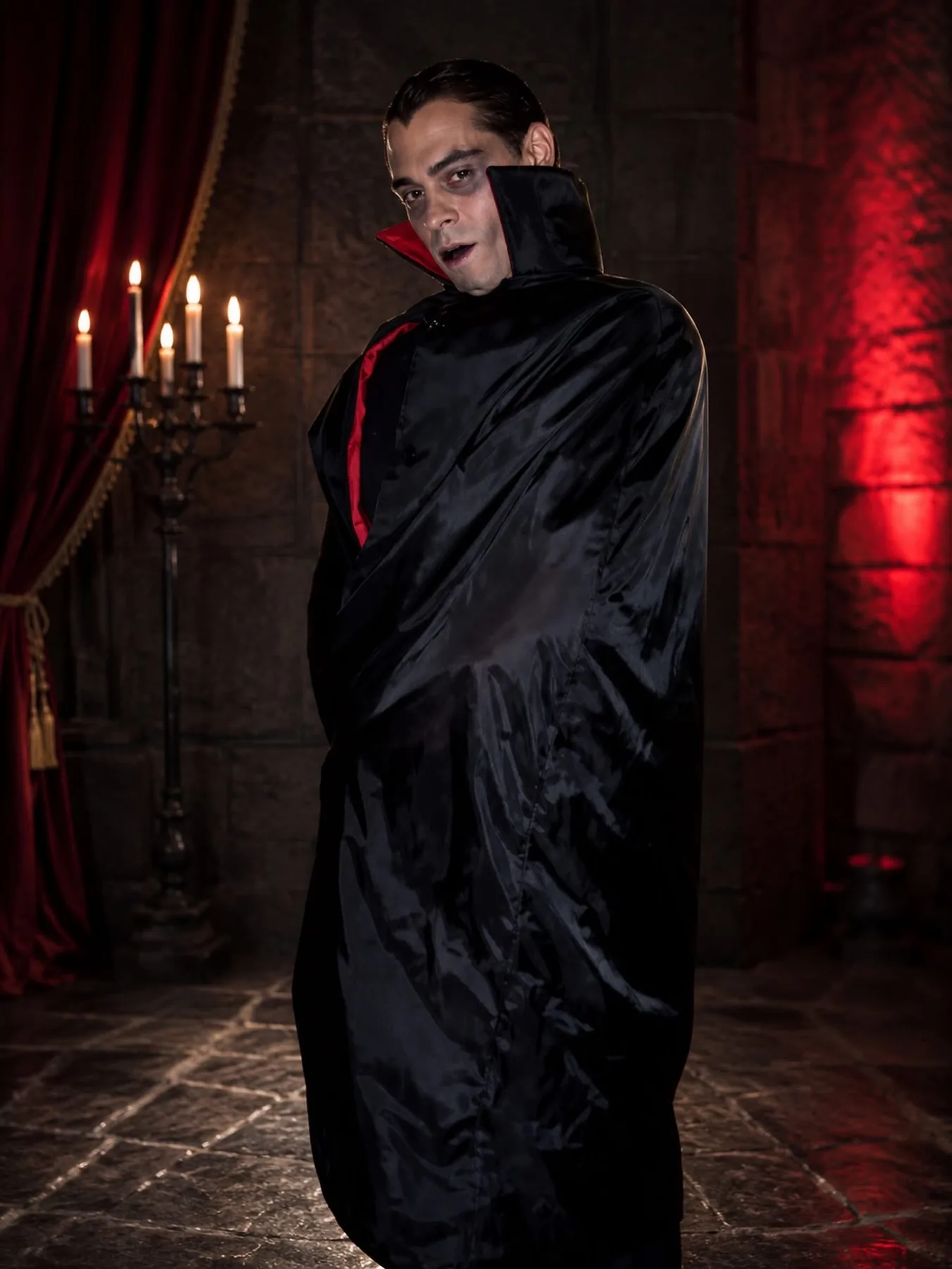
When a formal evaluation concluded that he did not have the right vocal conditions for announcing, the verdict hurt—but it did not end the story. He trained as an actor, learned to use breath, body and intention, and in 2009 received the festival’s Best Male Acting recognition at the Antonio Lloga in memoriam.
Tropicana · Locomoción
The audience gave the persona its name.
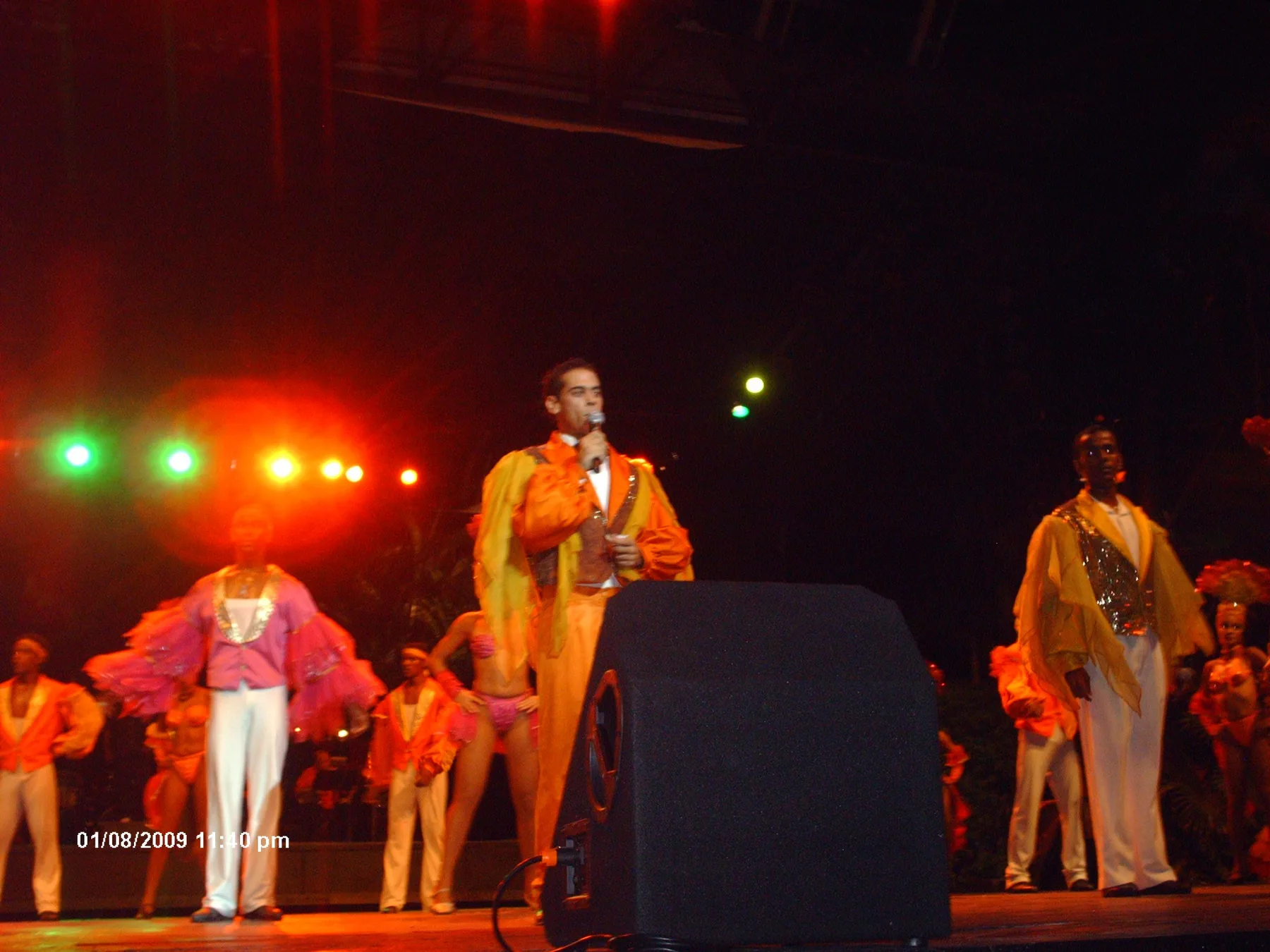
Tropicana brought together the discipline of sport, the timing of radio and the physical intelligence of theater. Locomoción added another lesson: presence is not only about knowing when to enter. It is also knowing when to get out of the way.
Around projects such as La Claqueta, something happened that no credential could manufacture. People stopped asking for Sandy Fernández. They asked for Sandy Show. The name began as public shorthand long before it became a professional identity.
Radio and acting ↗03
Talento Urbano · Production and the Caribbean
From appearing in media to building his own.
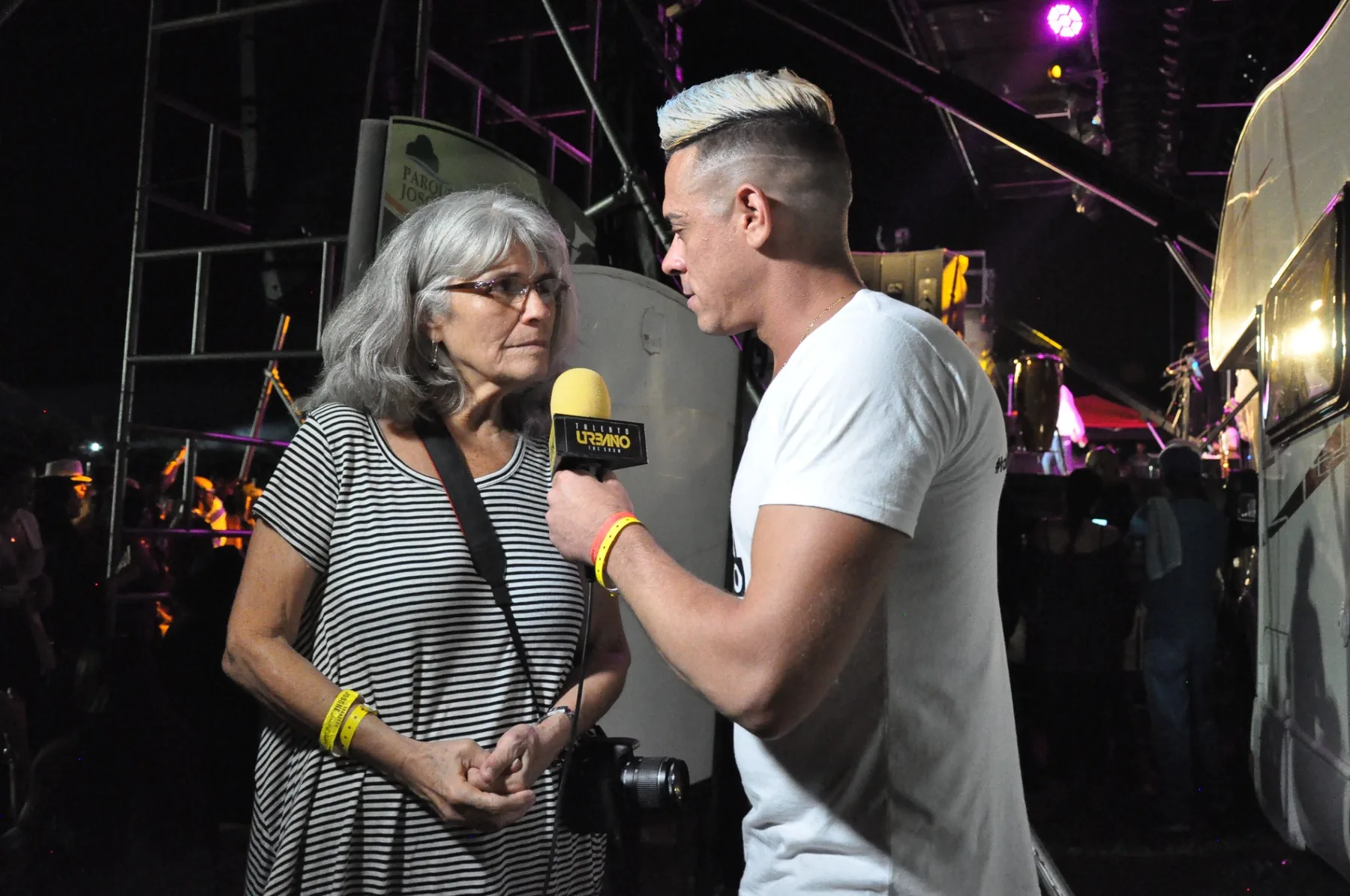
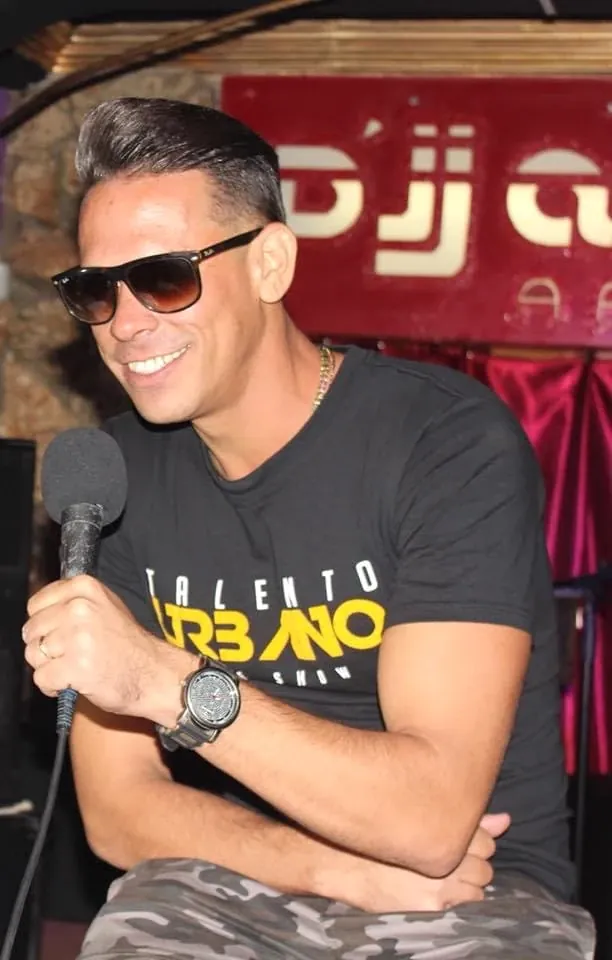
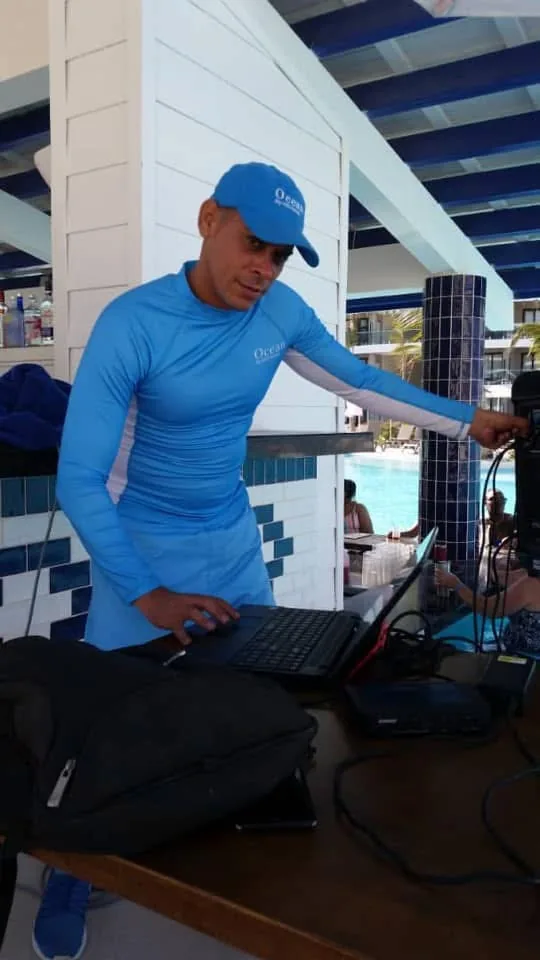
Talento Urbano · La Tierra Caliente
If the space did not exist, build it.
Talento Urbano emerged as an independent audiovisual project focused on artists, interviews, culture and scenes that did not always fit within traditional media. Distribution demanded as much ingenuity as production: by Sandy’s account, some episodes moved through USB drives, discs and informal networks when reliable internet access was still limited.
Professional work across the Caribbean followed, including a period connected to Harmony Entertainment and Ocean Coral Spring in Jamaica. International audiences forced a different kind of precision: local references had to travel, humor had to be read quickly, and every show had to work for people arriving from different countries and cultural backgrounds.
In later public interviews, Sandy has described political pressure, questioning and detentions as part of the circumstances surrounding his departure from Cuba. The biography presents those episodes as his published personal testimony rather than as independently reconstructed official records. What the career timeline makes clear is the rupture: years of work suddenly had to become portable.
Explore Talento Urbano ↗Migration and rebuilding
An established career had to prove itself again in a new country.
In public interviews, Sandy has described leaving Cuba for Jamaica, then traveling by small boat toward Mexico before continuing overland to the United States border. Once in the U.S., he went through a period without stable housing and worked in construction. The degrees, awards and stage name still existed. They simply could not solve the immediate realities of starting over.
04
Miami · Professional reinvention
Rebuilding a career without erasing the one that came before it.
In Miami, construction work was both survival and strategy. Part of what he earned eventually became equipment: a camera, a microphone, a computer, transportation—the basic infrastructure for returning to media work. Reinvention did not mean becoming someone else. It meant making years of experience visible again in a place where few people knew the earlier chapters.
The return to camera happened in stages. His Miami credits include Picantísimo Miami, Crónicas del Primo, Oh My God and Dímelo Charly, alongside interviews, events, dramatized work and production. The new ecosystem demanded more than performance: distribution, short-form clips, social platforms, brand relationships, community and sustainability all became part of the job.
Eventually the pattern pointed in one direction: he needed a platform where the editorial voice, pacing and long-term archive did not belong to someone else.
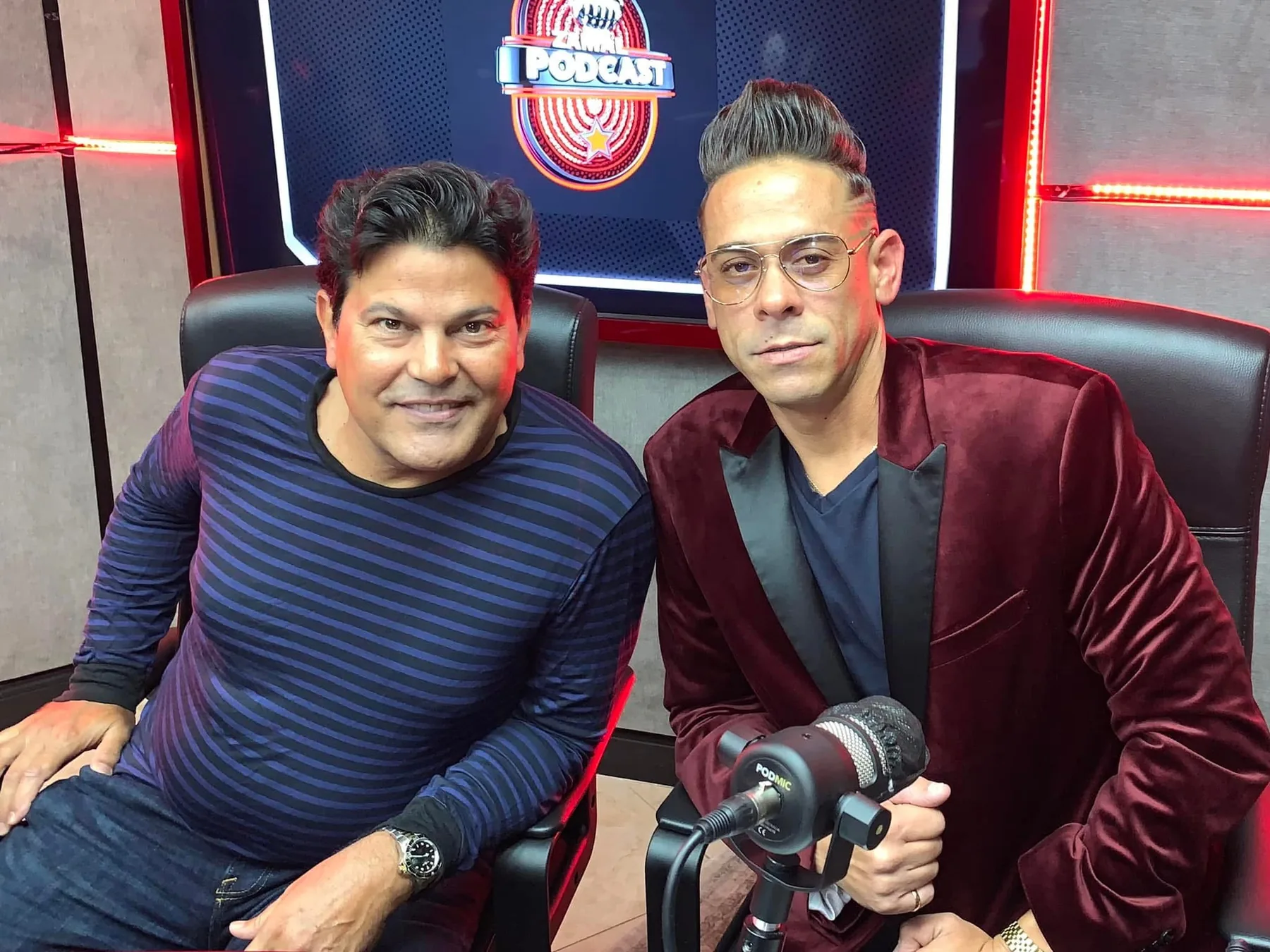
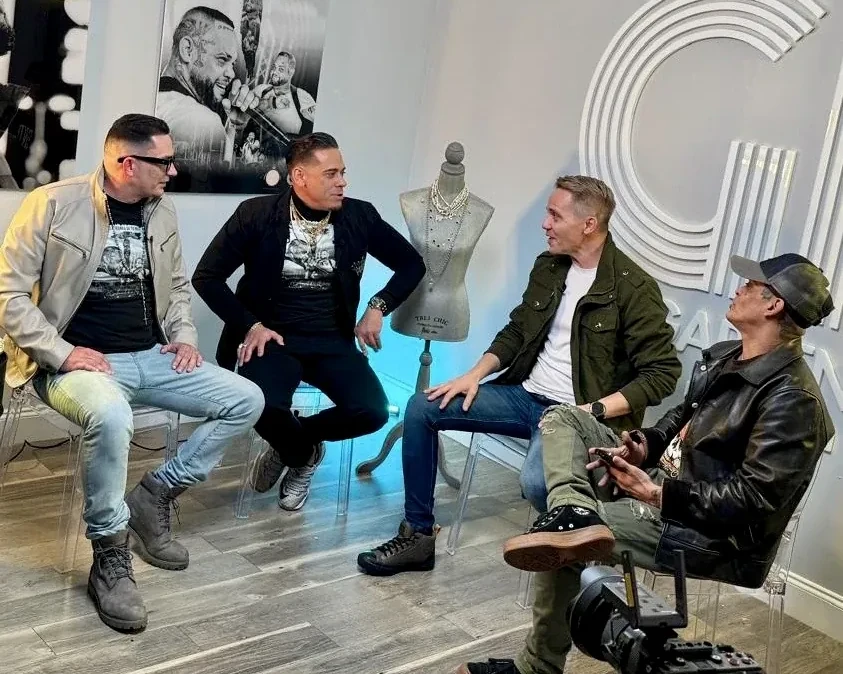
Lo de Nosotros No Tiene Nombre
After years in other people’s spaces, he built the room himself.
The show was created in Miami as a platform for long-form interviews and conversation. It brings together two decades of accumulated practice: the reflexes of Pronto, the listening discipline of theater, the production independence of Talento Urbano, the consistency of sport and the distribution logic of today’s platforms.
Its growing archive moves through Cuban culture, music, migration, entrepreneurship and lived experience. A single interview can entertain. Hundreds of conversations begin to document a generation.
Explore the show↗05
Books · Archive, memory and music
Turning experience into books, archive and music.
In 2026, research and professional work that had lived for years in academic papers, files and field practice began to take book form. Sports training, butterfly technique, aquatic adaptation, communication, radio and digital creation became part of a public catalog in Spanish and English.
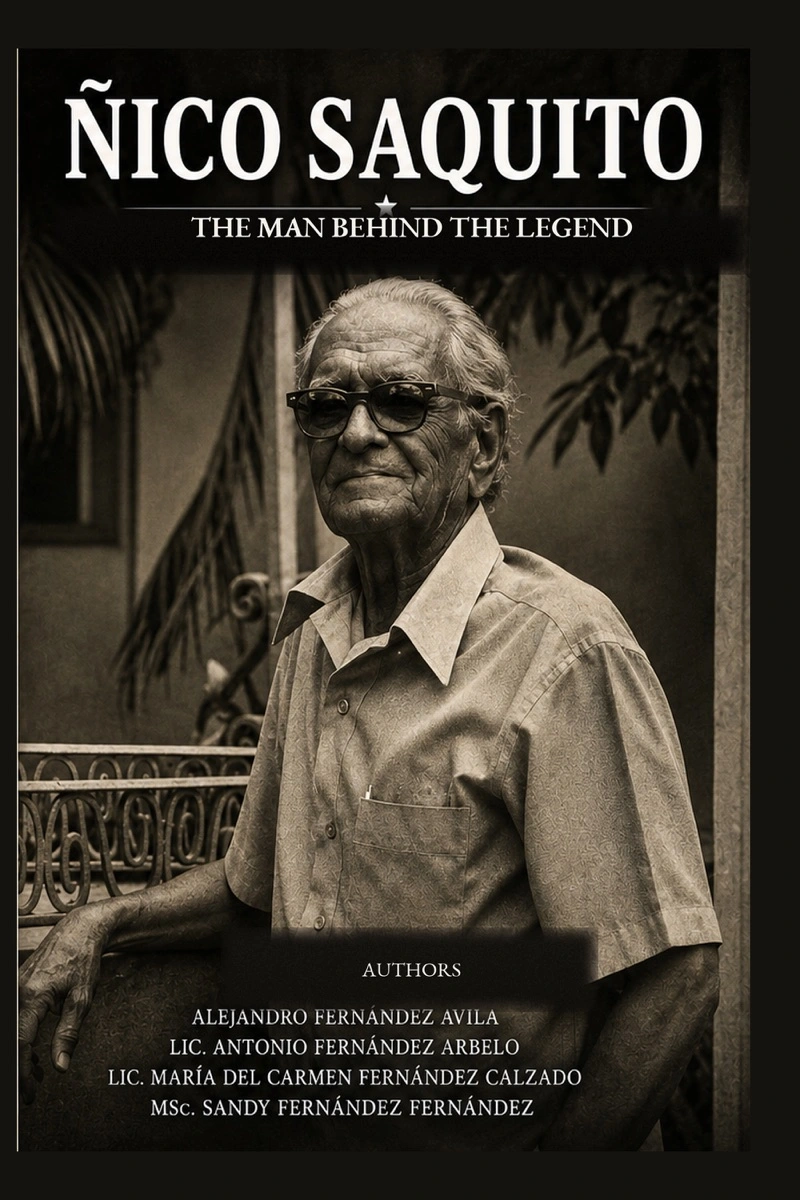
At the same time, the legacy of his great-grandfather Ñico Saquito moved from family memory into a more deliberate preservation project. Sandy worked with publications, photographs, documents, discography and new productions designed to keep part of Cuba’s guaracha tradition in circulation for contemporary audiences.
Music also became a part of his work: the Sandy Show Miami catalog includes releases on Spotify, Apple Music and Amazon Music. After years of using the microphone to present, interview and act, he also began performing as a recording artist.
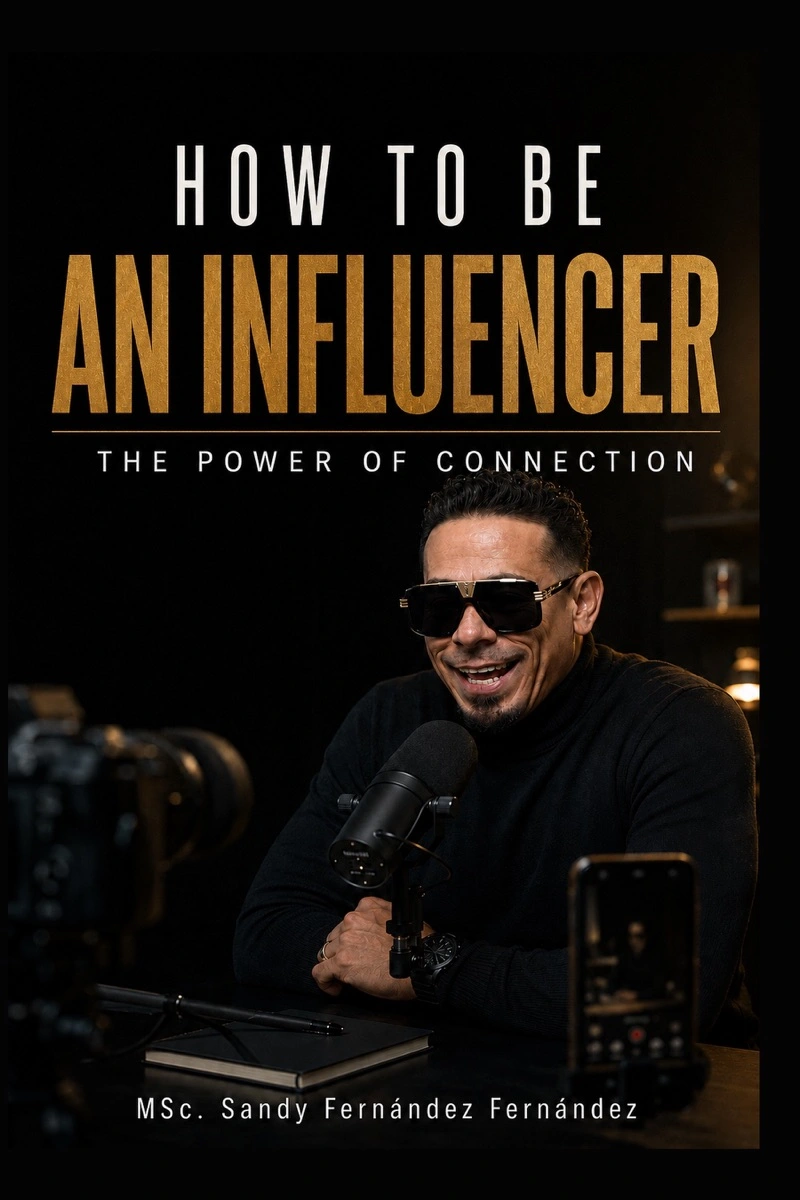

A life still in motion
A voice once judged inadequate eventually outgrew every single medium.
Call him only a broadcaster and the sports career and research disappear. Call him only a content creator and you lose the radio actor, Tropicana, and the stage identity first named by the public. Call him only an author and you miss the decades in which the knowledge was still being practiced rather than published.
Sandy Fernández Fernández’s biography remains open. The through-line is not a title. It is the ability to learn, rebuild and turn one chapter into a tool for the next.